Boeing has informed airlines that have 737 MAX aircraft in their fleets that they should check certain fasteners in the plane’s rudder system.
The American aircraft manufacturer has had some relatively good news recently, with the restart of aircraft deliveries to customer airlines in China. With China being a key market, this delivery restart has been a key metric for Boeing’s overall… well-being. Of course, the ultimate positive story there will be new Boeing aircraft orders from the Asian country.

But Boeing currently has a less positive story to worry about. An airline operating the 737 MAX informed Boeing that a nut securing a bolt was missing from the aircraft’s rudder control system. Then Boeing itself checked a number of aircraft that it still had in its possession and found one with the same nut being loose.
Because of this, and “out of an abundance of caution”, Boeing is asking 737 MAX operators to check this particular component of the rudder system. It is unclear if this check is about ALL 737 MAX aircraft or only those that Boeing produced or delivered alongside the two affected jets. An FAA statement says that the issue affects newer aircraft.
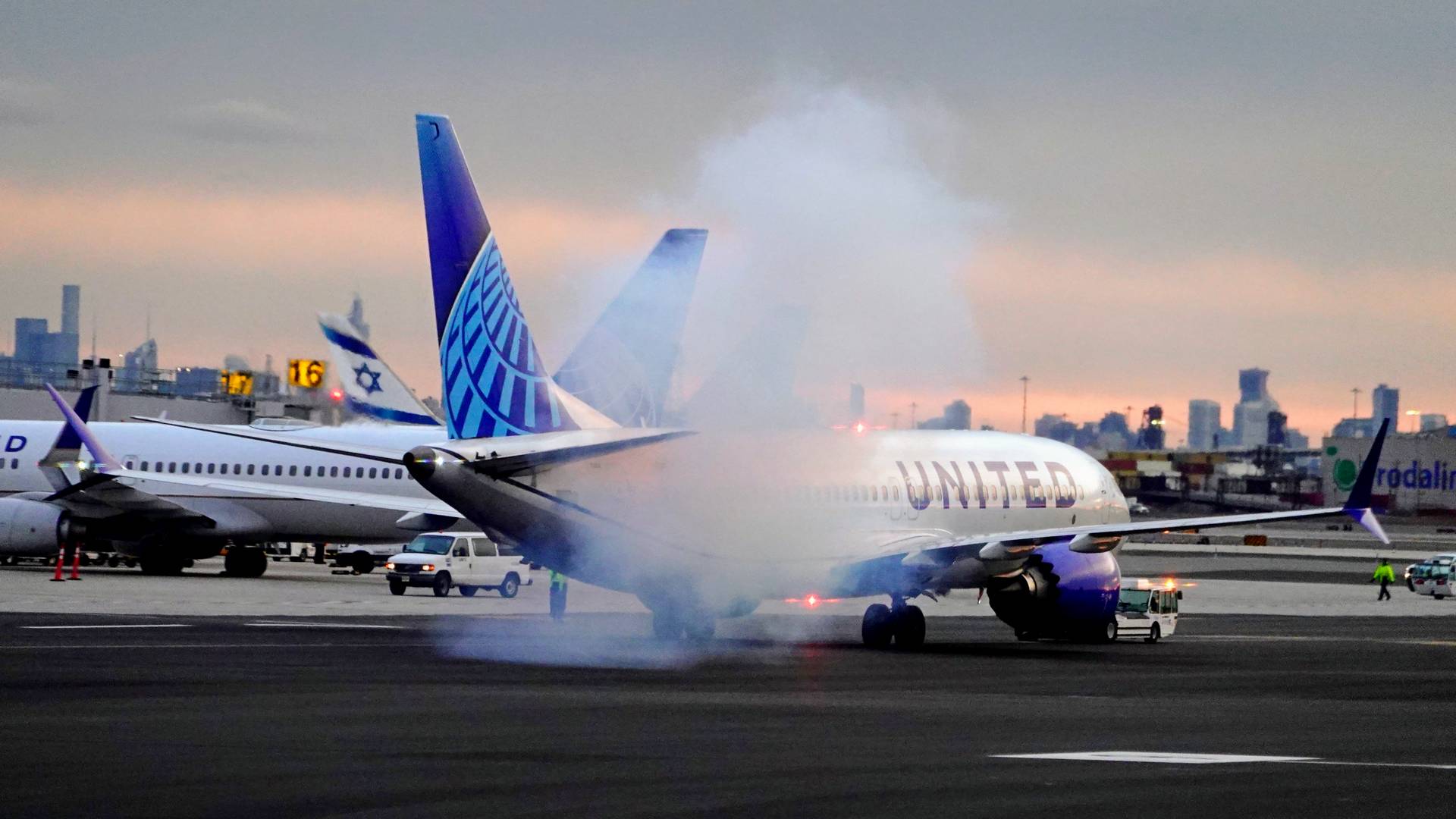
Checking 737 MAX Rudder Control Systems
Boeing is checking all aircraft in its possession for similar issues. For the airlines, performing this check takes approximately two hours and involves removing an access panel. This should make it possible for operators to check their aircraft during overnight stops.
Boeing is also asking any 737 MAX operators to come forward if they find loose or unsecured nuts in their rudder control systems. The FAA is monitoring the situation and could decide to take further action if more aircraft have the same issue.
Checking and fixing the problem appears to be straightforward. Without the history of the 737 MAX, perhaps this story would have gotten little to no publicity. Nevertheless, Boeing and the FAA will be keen to see if more aircraft have the same issue.
Boeing has had some quality control problems in recent months, affecting multiple aircraft types. So confirming that this 737 MAX rudder issue is a one-off (or two-off) is something that operators AND regulators will be looking forward to.