Last year, the FAA proposed an increase in the recording time of Cockpit Voice Recorders (CVRs) from 2 to 25 hours. But not everyone agrees.
Flight Data Recorders (FDRs) and cockpit voice recorders have been part of commercial aviation for many decades. Initially, CVRs recorded just 30 minutes of data, on magnetic tape. Gradually, technology improved and 2 hours of recording became possible.
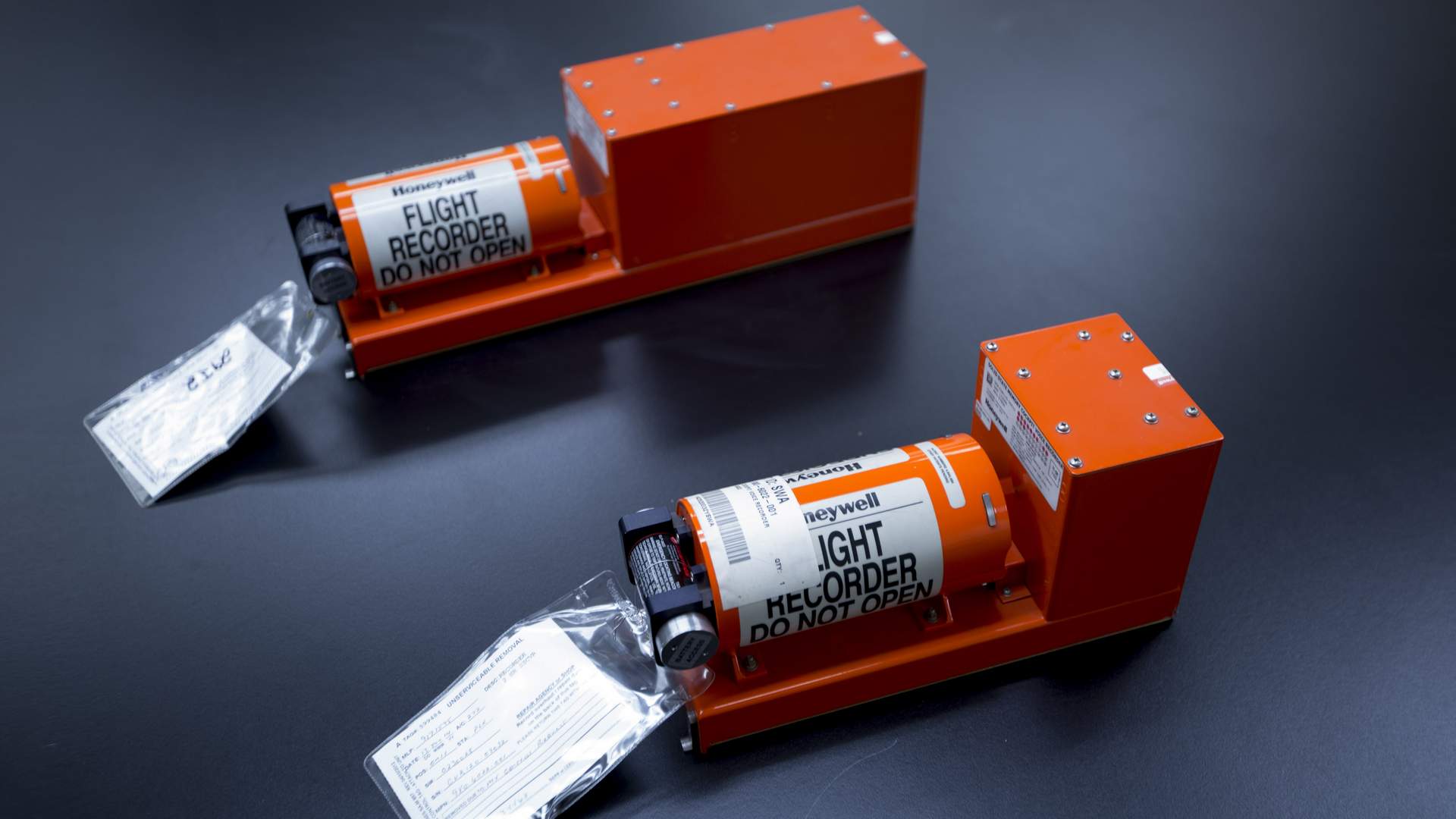
That recording duration didn’t become mandatory in the United States until 2008. The increase satisfied regulators that enough dialog between the crew would be available, for investigators to have enough context, to understand the causes of an accident.
However, that doesn’t necessarily account for the possibility that an aircraft would remain in service, after a non-fatal event. In such cases, pilots should preserve their cockpit voice recorders, to ensure that key data isn’t overridden.
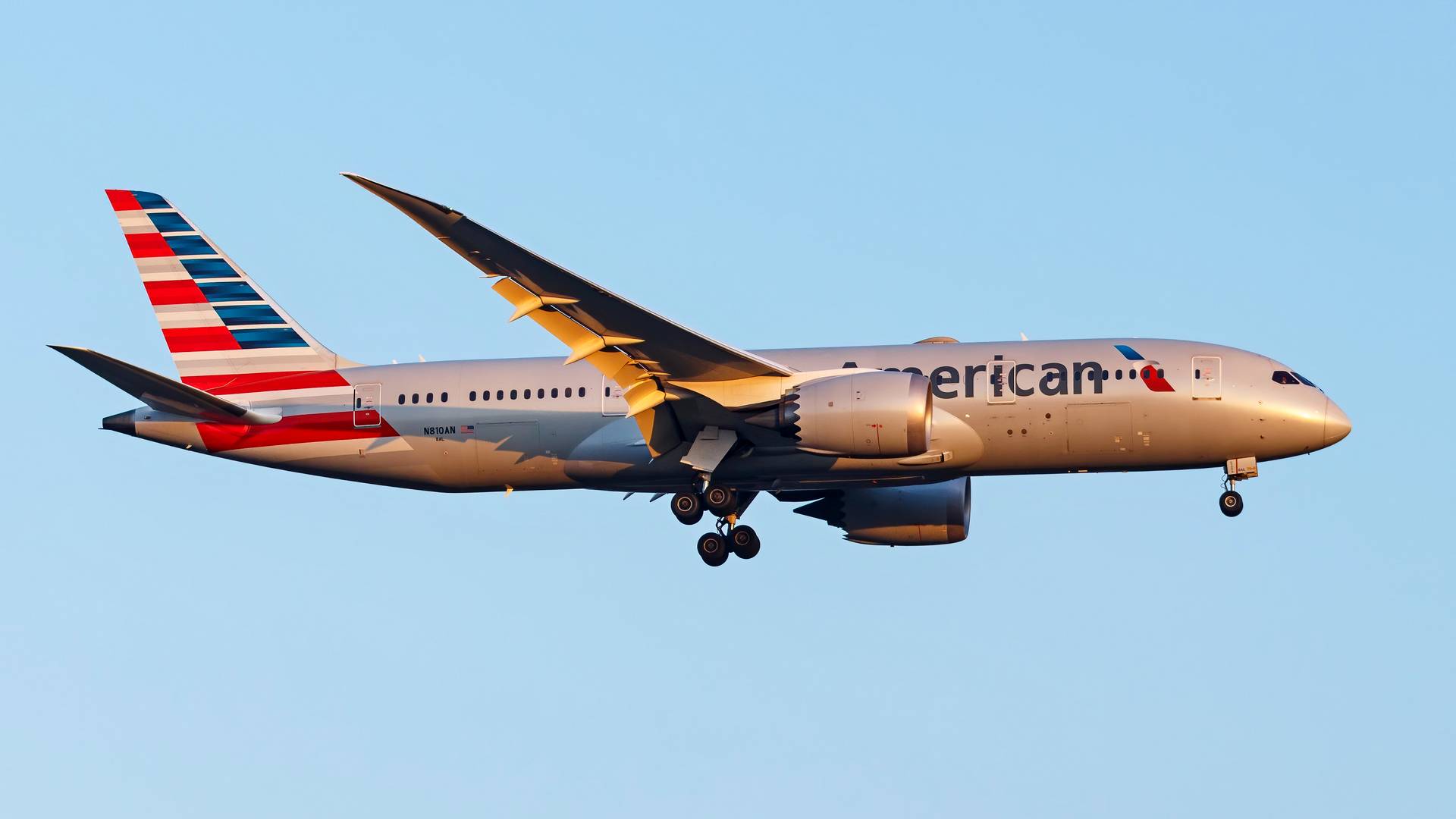
But in many cases, this simply isn’t possible. One example of this was a runway incursion incident last year, when an American Airlines 777 crossed a runway at JFK, while another flight was taking off.
Investigating Incidents
That incident led to more controversy when the American Airlines crew refused an NTSB interview because it would be recorded. The NTSB investigators countered that they needed to record the interview to ensure the veracity of the data, particularly because the CVR didn’t have usable information.
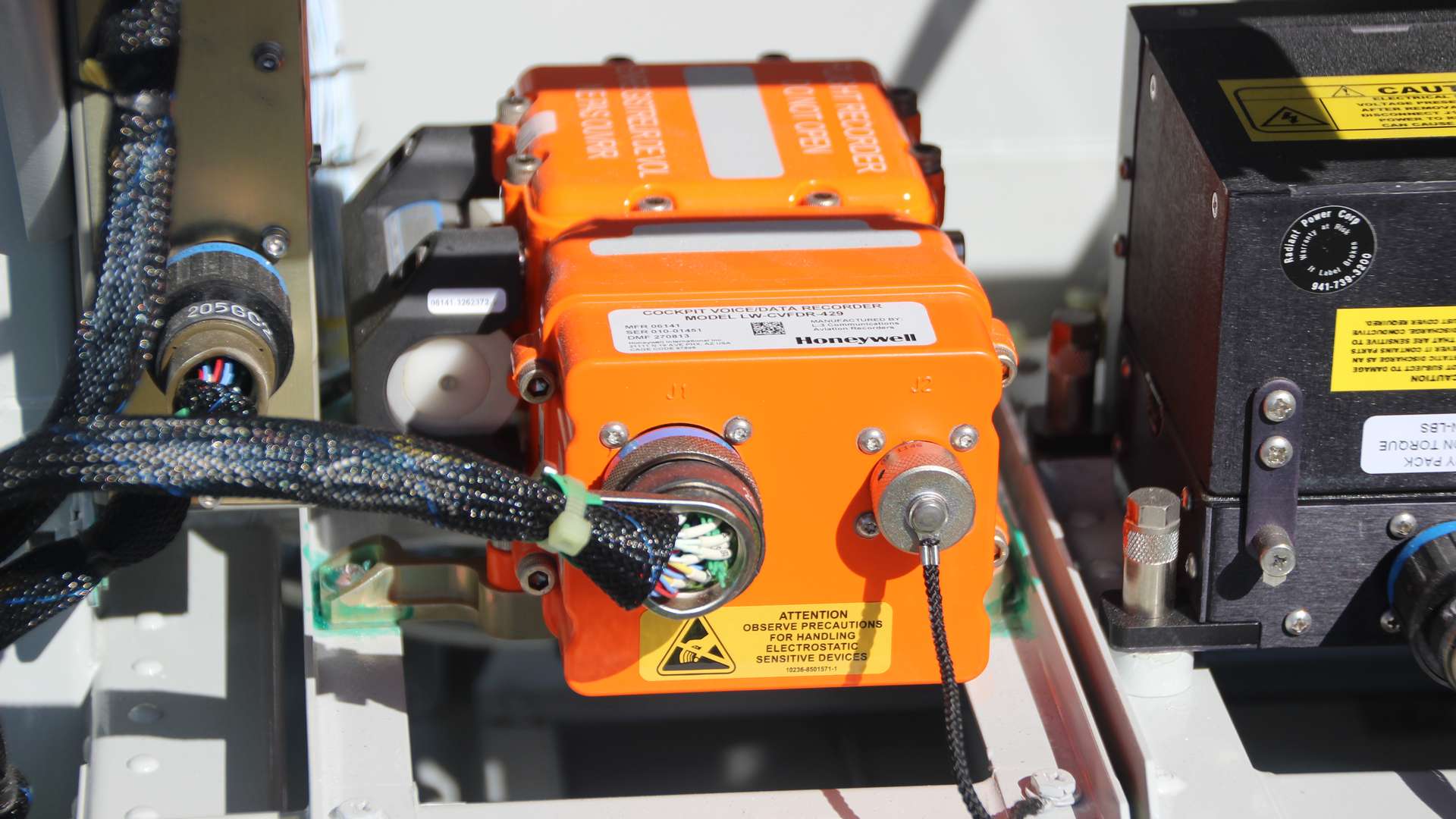
That, in turn, was because the American Airlines aircraft took off for a transatlantic flight, soon after the incident. This and other similar events prompted the FAA to propose a regulation change, to increase the recording time of cockpit voice recorders to 25 hours.
The increase would align the recording duration of CVRs with that of FDRs. The European Aviation Safety Agency (EASA) mandated a 25-hour CVR duration in 2021. Crucially for some, EASA’s rule applies to newly-built aircraft only. Existing airliners can keep their 2-hour cockpit voice recorders.
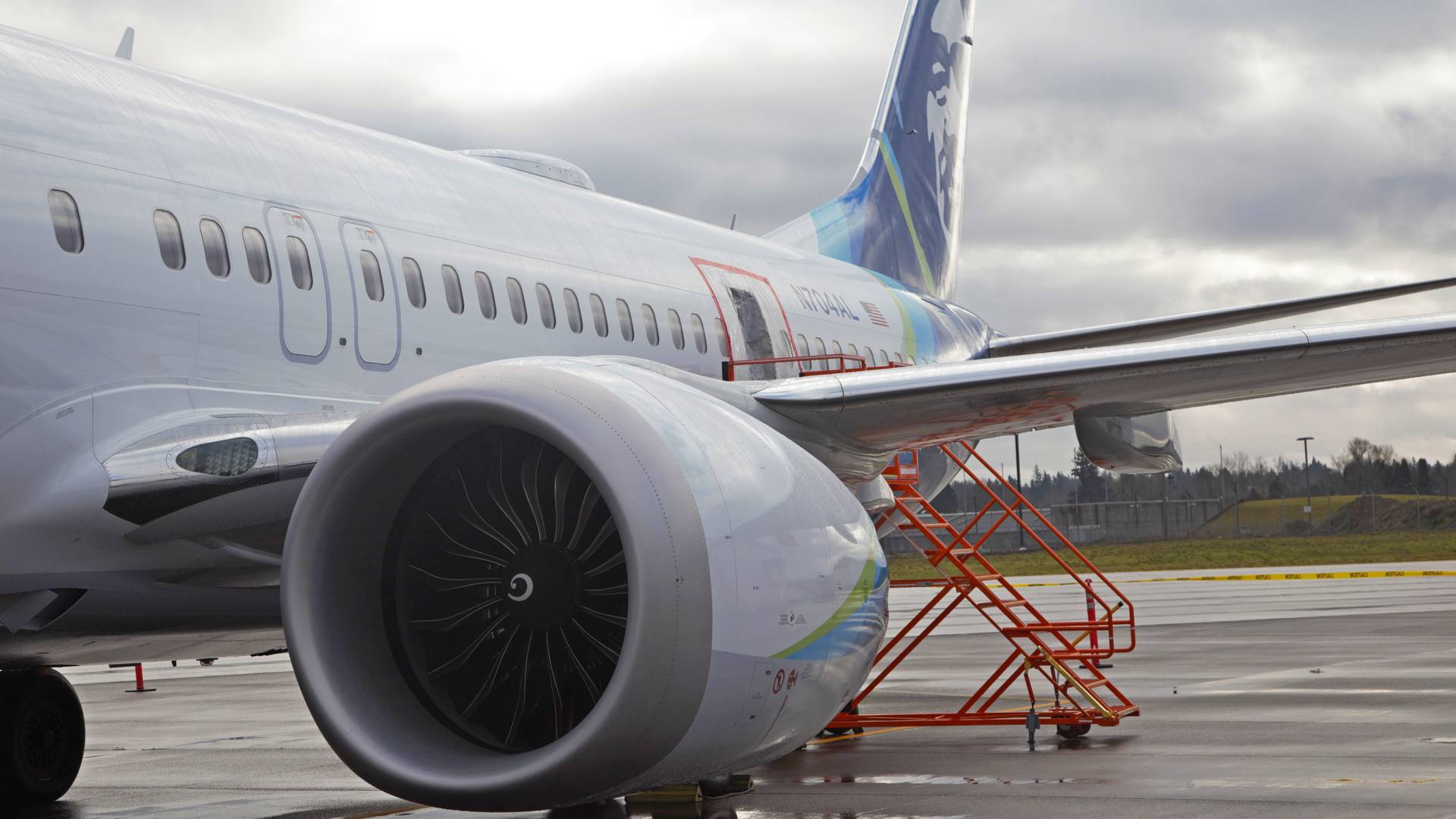
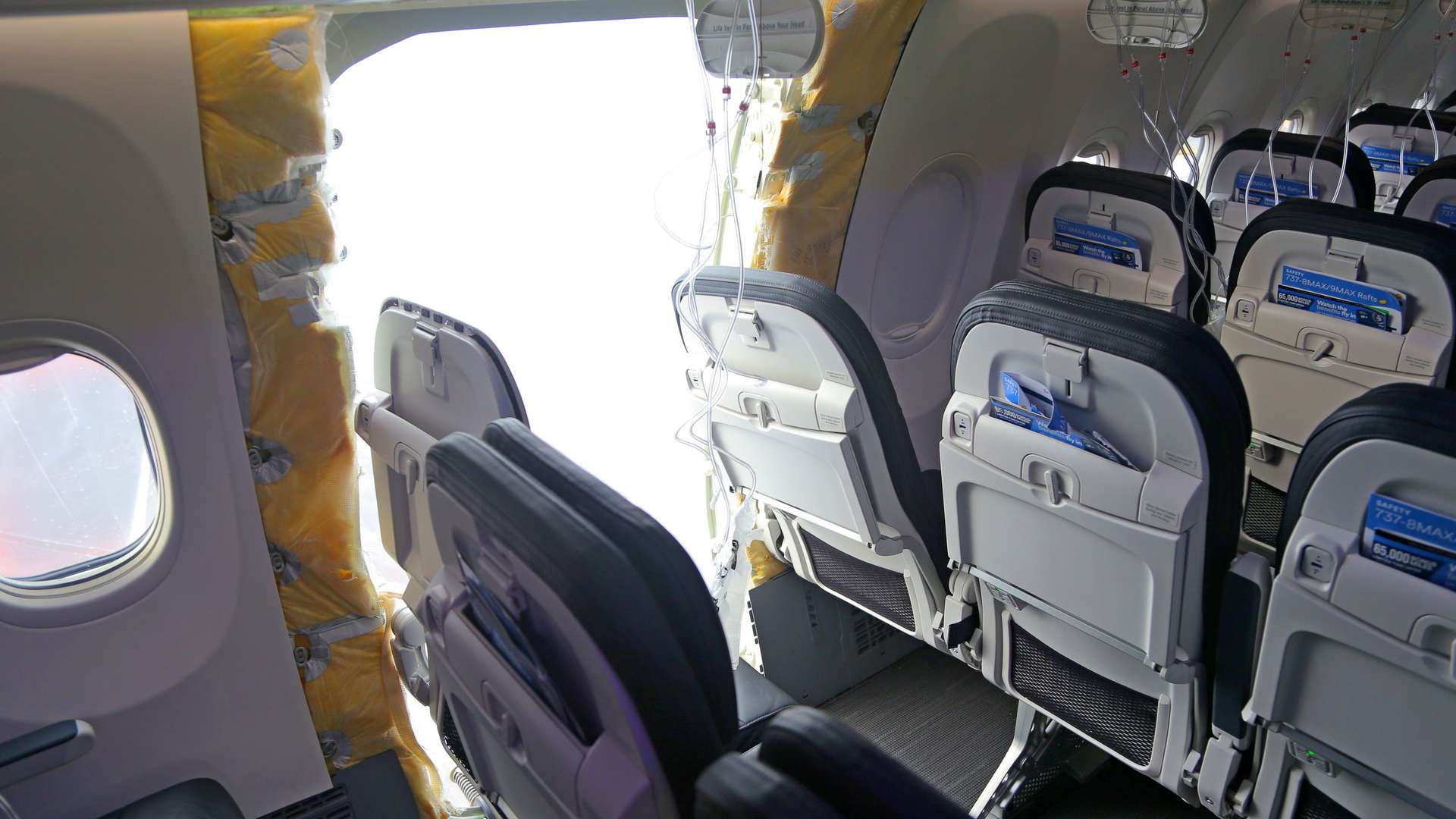
This topic got even more attention earlier this year when an Alaska Airlines 737 MAX-9 had a blow-out of its left mid-cabin door plug. The Alaska crew didn’t secure the CVR after the accident, so the pilots’ conversation was lost. Mistakes like this, following an unusual event, are not uncommon.
The FAA proposed this recording time increase in cockpit voice recorders in December last year. As usual, the proposal invited industry stakeholders to make comments, by a certain deadline – in this case, the 2nd of February.
25-Hour Cockpit Voice Recorders – For and Against
The change has a number of “fans” who commented on the ruling. They include Alaska Airlines, FedEx, and several airline associations. Obviously, the NTSB is another proponent of the change.
However, the NTSB also wants a deadline by which existing aircraft would be retrofitted with the new cockpit voice recorders. The FAA only proposed the rule to apply to newly-built aircraft, like its European counterpart.
Several other stakeholders either oppose the rule outright or remain skeptical. The Coalition of Airline Pilots Associations (CAPA) opposes the rule, on privacy and data protection grounds. Their concern is that, while accident investigators are concerned about safety, there are others who may access this data, too.
This could include law enforcement agencies performing criminal investigations. Or they could be the pilots’ employers, who might want to listen to the contents of cockpit voice recorders for disciplinary and other reasons.
The Air Line Pilots Association (ALPA) also voiced similar concerns but did not reject the new proposal outright. However, it requested that severe restrictions be placed on who can access and use these recordings.