After France, more countries in Europe and beyond want people to use trains instead of taking short flights. There’s just one problem: price.
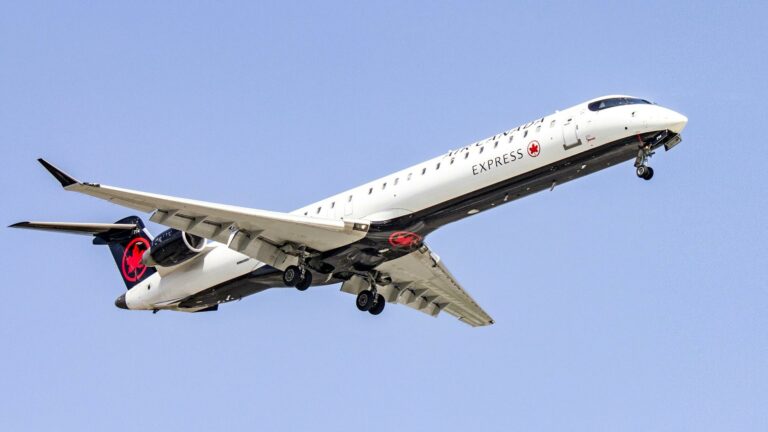
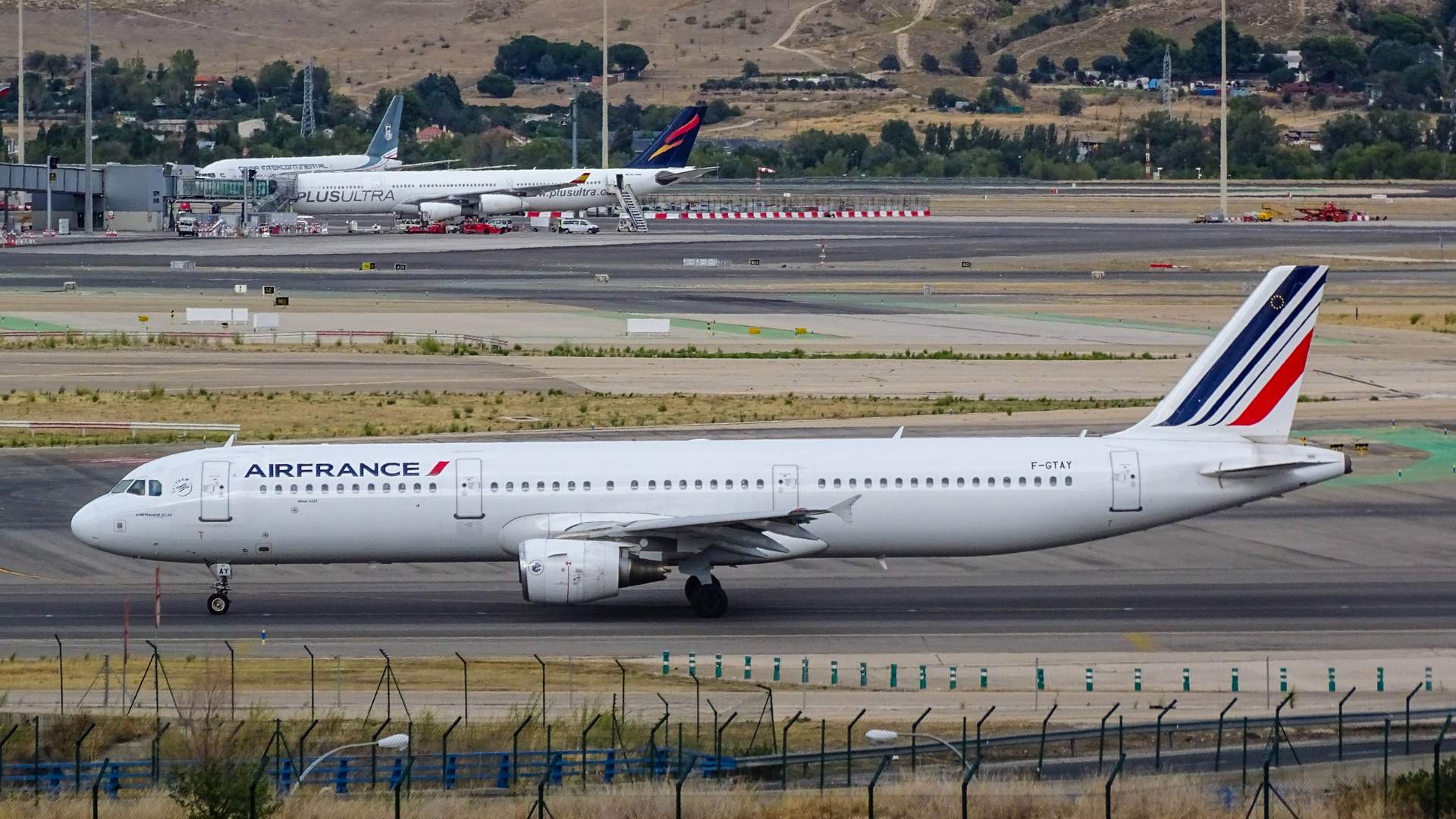
Last June, France’s parliament approved a law banning domestic flights, if trains can handle the same route in 2.5 hours. As many observers pointed out, this was mostly a theoretical exercise. Air France had stopped a number of short flights between French cities in 2020, in exchange for pandemic-era financial support.
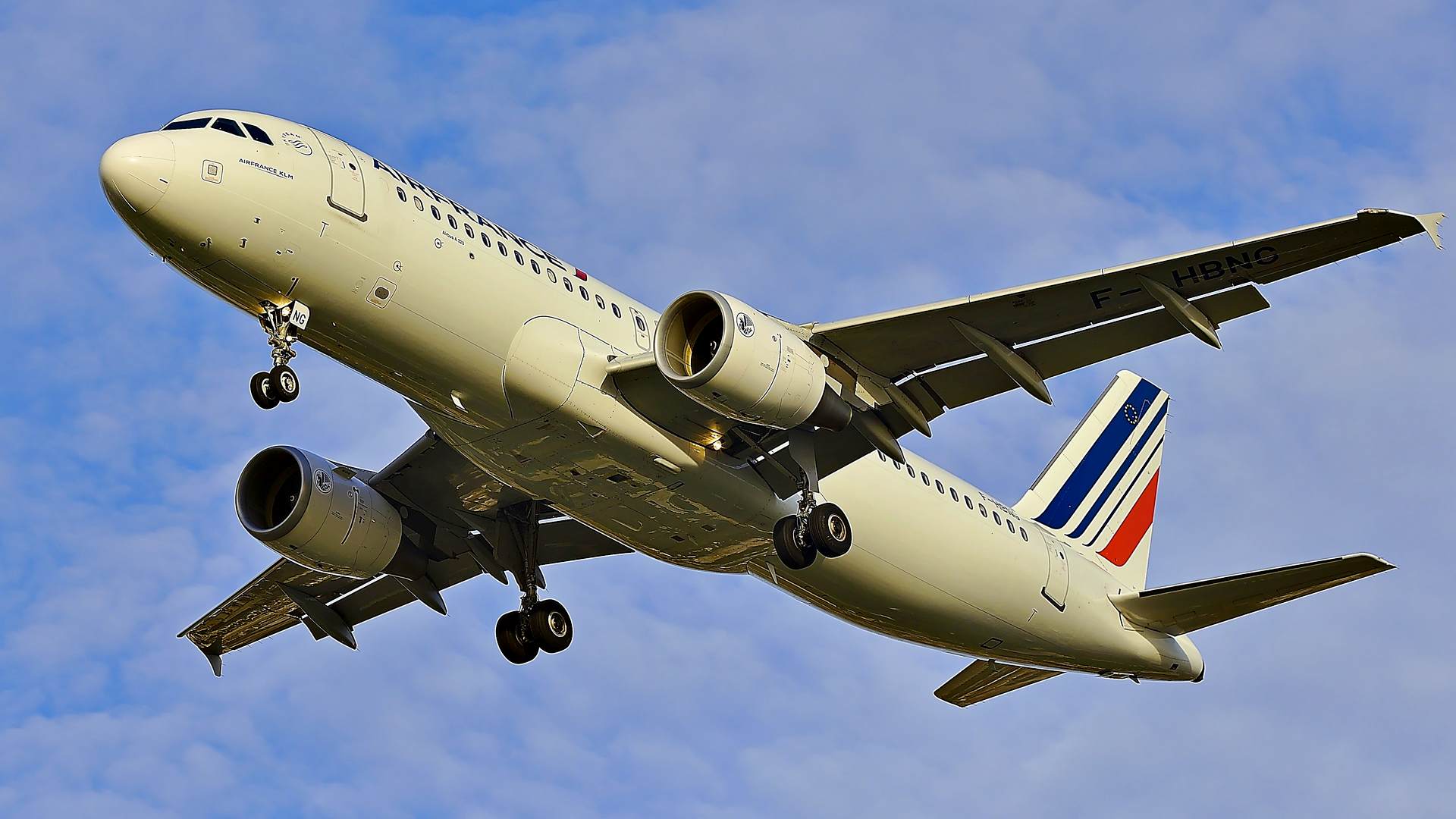
So in practice, Air France and other carriers didn’t need to stop any flights because of this ban. But there are already calls to extend the ban to longer distances, with other countries examining similar moves.
This is quite a controversial point, in part because, in many parts of the world, the advertised vs. actual duration of passenger train travel is some way apart. But for many passengers, another key factor is price. In many parts of Europe, a short flight costs only a fraction of what people would pay for a railway ticket.
Most passengers would prefer governments to address this by making trains cheaper (or as cheap as) short flights. Sure enough, the French government is looking at ways to make rail travel cheaper. But they are also trying to make short flights more expensive.
Low-Cost Flights Vs High-Cost Trains?
Specifically, the French government hopes to get more people on trains by targeting low-cost flights. According to Forbes, the French transport minister Clément Beaune cited $10 tickets as something unacceptable in our times, on environmental grounds. It’s unclear what the ticket price threshold of such a move would be.
What makes the move interesting is that France hopes the European Union will support this measure. The EU did not object to France’s ban on short flights when trains are available. But while that measure didn’t overtly target low-cost carriers, a minimum price certainly will. So, the EU’s stance on the matter could be different.
Environmental groups want governments to do more to discourage people from flying when they have alternatives. But there are more moves to address high train ticket prices in many European and other countries, too.
Given that the highest cost burden for an airline is fuel and that trains can be as efficient or more efficient than aircraft, many environmentalists and others are rightly asking why train tickets are often two to four times more expensive than equivalent flights. The answer is unclear, but it likely is more complicated than a difference in profit margins.
The seat availability of trains versus aircraft on specific routes is another factor, particularly for regular (a.k.a. commuter) flights. Improving cross-border railway options is something several EU countries are working on. But it’s unclear if the infrastructure demands of rail can allow it to respond to changing travel demand the way the airlines can.